Yaca-Dome Joseph Yacoboni: A Visionary in Dome Architecture
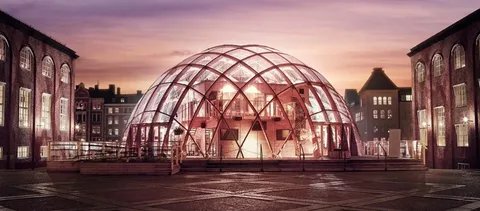
Architecture has always been about innovation, creativity, and building spaces that can survive the test of time. One of the most unique architectural experiments of the 20th century was the creation of the Yaca-Dome. This dome-shaped home was designed and built by Joseph “Joe” Yacoboni, a Pittsburgh-based innovator who wanted to create structures that were not only beautiful but also strong, energy-efficient, and resistant to natural disasters. His creation continues to inspire architects and design lovers around the world.
The Yaca-Dome stands as an alternative to traditional square homes. Its rounded design, futuristic look, and durable construction made it a remarkable project. Yacoboni’s vision was simple but powerful: to provide homes that could resist earthquakes, hurricanes, and storms while still being affordable and stylish. Today, his domes are rare architectural treasures that continue to draw attention from homeowners, historians, and tourists.
Early Life and Vision of Joseph Yacoboni
Joseph Yacoboni was not a traditional architect by background. He was an innovator with big ideas and a desire to create something new. Living in Pittsburgh, he witnessed the challenges of traditional housing structures, which were often vulnerable to weather damage. This inspired him to design a home that could endure extreme natural forces and still provide comfort.
His vision was shaped during the late 1960s, a period when experimental architecture was gaining popularity. People were exploring geodesic domes, futuristic housing, and space-age materials. Yacoboni wanted to make a dome that could be prefabricated, easy to assemble, and long-lasting. This vision gave birth to the Yaca-Dome, which combined innovation, strength, and modern design.
The Birth of the First Yaca-Dome in Pittsburgh
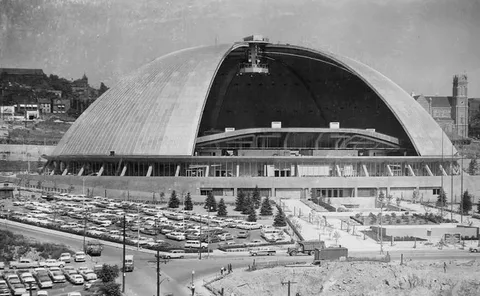
In 1969, Joseph Yacoboni completed his first Yaca-Dome in Pittsburgh, Pennsylvania. This structure was unlike anything the neighborhood had ever seen. With a diameter of 50 feet, the dome stood out for its futuristic shape and unique building process. Instead of corners and straight walls, it had a smooth circular design, making it aerodynamic and strong.
The Pittsburgh dome became a landmark of experimental housing. People from different states visited just to see this unusual home. Over the years, the structure gained a reputation not only for its looks but also for its strength. The dome could resist strong winds, heavy rains, and even natural disasters that would normally damage traditional homes. This marked the beginning of Yacoboni’s legacy.
Unique Architectural Features of Yaca-Domes
The Yaca-Dome was designed with both function and form in mind. Its most noticeable feature was its dome shape, which provided structural strength by evenly distributing weight across the surface. Unlike traditional homes with weak corners, the dome had no single weak point, making it more durable.
The interior was also unique. With no sharp corners, the inside of the dome felt open and spacious. The rounded walls created a sense of flow and harmony. Windows and skylights could be placed strategically to allow natural light inside, making the dome energy-efficient. Its futuristic look made it stand out, and even today, dome-shaped homes are admired for their innovative style.
Materials and Construction Techniques
One of the biggest achievements of Joseph Yacoboni was his use of modern materials. The dome was constructed using steel beams, which connected at a central hub. This skeleton was then covered with fiberglass panels that were lightweight but strong. The panels were insulated with urethane, which helped maintain temperature control inside the dome.
The construction method was also designed for efficiency. Since the dome was prefabricated, the parts could be manufactured and then assembled on-site. This reduced building costs and allowed faster construction compared to traditional houses. The dome was not only stylish but also practical, proving that futuristic designs could also be functional.
Strength, Durability, and Disaster Resistance
One of the most important features of the Yaca-Dome was its ability to withstand natural disasters. The aerodynamic shape allowed strong winds to pass over without causing damage. Unlike flat roofs, the dome roof prevented heavy rain and snow from building up.
The structure was also earthquake-resistant. The even distribution of stress across the dome meant that no single point carried too much load. This made the building capable of handling ground vibrations better than rectangular homes. For families living in disaster-prone areas, this kind of design offered peace of mind and long-term safety.
Patents and Innovations by Joseph Yacoboni

Joseph Yacoboni was more than just a builder; he was an inventor. He secured several patents related to his dome designs. One of his most notable inventions was the “Earthquake Bolt”, which provided additional stability by securing the dome’s concrete foundation.
These patents demonstrated his commitment to making his design not only artistic but also scientifically sound. Yacoboni believed in constant improvement and innovation. His work showed that architectural design could be practical while also being visually stunning.
Cultural Impact and Public Perception
When the first Yaca-Dome was completed, the public reaction was mixed. Some people admired its futuristic design, while others found it strange and unusual compared to traditional homes. However, over time, the dome began to gain recognition as a symbol of architectural innovation.
In Pittsburgh, the dome became a landmark, often referred to as “The Igloo.” Today, it even serves as a unique Airbnb rental, allowing guests to experience living inside a piece of architectural history. Visitors are fascinated by the cozy yet futuristic feel of the dome. Its cultural impact continues to grow as people rediscover the value of sustainable and innovative housing.
Yaca-Domes in Modern Times
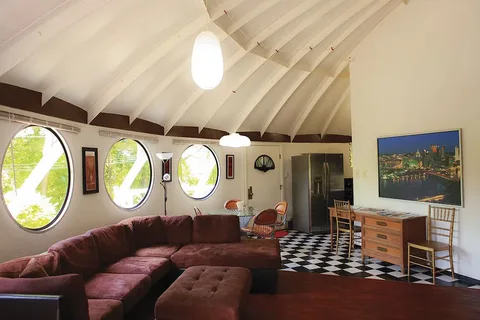
Even though only a few Yaca-Domes were ever built, they remain important examples of innovative housing. In places like Florida and Pennsylvania, some of these domes are still standing and being used as private homes or tourist attractions. Their ability to withstand decades of weather conditions shows the strength of Yacoboni’s design.
Modern architects continue to study dome structures for their energy efficiency and disaster resistance. While dome homes are not as common as traditional houses, they represent a growing interest in sustainable and experimental housing for the future.
Preservation and Renovation of Existing Domes
Many Yaca-Domes have been preserved by homeowners who recognize their uniqueness. Renovation projects often include updating the interiors while keeping the original dome structure intact. Fiberglass panels can be replaced or reinforced to extend the dome’s lifespan.
Some preservationists argue that these domes should be recognized as historical architecture. Since only a few were built, each surviving dome is valuable. They represent not only architectural creativity but also a vision of what future housing could have been.
Yaca-Domes as Tourist Attractions and Rentals
One of the most popular uses of Yaca-Domes today is as vacation rentals. Platforms like Airbnb feature listings for Yaca-Domes where visitors can stay overnight. The unique experience of living in a dome attracts travelers looking for something different from standard hotels.
For tourists, staying inside a Yaca-Dome feels like stepping into the future. The design provides comfort, novelty, and an Instagram-worthy setting. This has given the domes a new life, making them more than just homes—they are now experiences for travelers worldwide.
Comparison with Other Dome Architecture
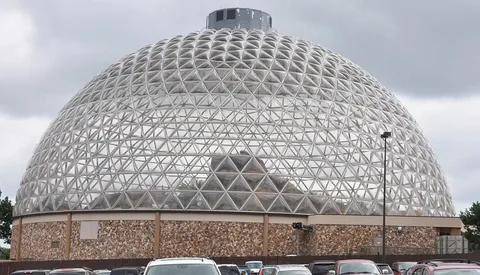
Yaca-Domes can be compared with geodesic domes, which were popularized by architect Buckminster Fuller. While both share the dome shape, Yaca-Domes differ in construction. Instead of triangular frames like geodesic domes, Yacoboni’s design used steel beams and fiberglass panels.
This made the Yaca-Dome smoother and easier to assemble. Geodesic domes were more widely adopted, but Yacoboni’s design had its own advantages in strength and insulation. This comparison highlights the diversity within dome architecture and shows how different innovators contributed unique solutions.
Challenges and Limitations of Dome Living
Despite their strengths, Yaca-Domes also came with challenges. The unusual shape made it difficult to arrange furniture inside. Traditional furniture designs were meant for square rooms, so homeowners had to adjust their interiors creatively.
Another challenge was limited popularity. Most people preferred conventional homes, making it harder for Yaca-Domes to reach mass production. Maintenance of fiberglass panels was also necessary to ensure long-term durability. These challenges slowed down the spread of dome housing, keeping them as niche structures rather than mainstream homes.
Legacy of Joseph Yacoboni in Architecture
Joseph Yacoboni may not be a household name like Frank Lloyd Wright, but his contribution to architecture remains important. His Yaca-Dome showed that alternative housing could be strong, stylish, and futuristic. His patents and innovations continue to inspire architects who want to design sustainable housing for the future.
His legacy lives on through the surviving domes, which stand as proof of his vision. Each dome tells the story of a man who dared to think differently and challenge traditional housing norms. For students of architecture, Yacoboni’s work is a valuable lesson in creativity and problem-solving.
Conclusion: Future of Yaca-Dome Structures
The Yaca-Dome is more than just an architectural experiment—it is a vision of resilience, innovation, and sustainability. Joseph Yacoboni’s idea proved that homes could be disaster-resistant, energy-efficient, and beautifully unique. Even though they never became mainstream, the domes continue to inspire architects and homeowners.
As modern society looks for sustainable housing solutions, the Yaca-Dome remains a powerful reminder that sometimes the most futuristic ideas are the ones that last the longest. Joseph Yacoboni’s creation is not just a dome—it is a legacy of imagination and strength that will continue to influence architectural design for generations.
Frequently Asked Questions (FAQs)
What is a Yaca-Dome?
A Yaca-Dome is a prefabricated dome-shaped house designed by Joseph Yacoboni in the late 1960s. It was built using steel beams and fiberglass panels, making it strong, lightweight, and resistant to natural disasters like hurricanes and earthquakes.
Who was Joseph Yacoboni?
Joseph “Joe” Yacoboni was an American innovator and designer from Pittsburgh, Pennsylvania. He is best known for creating the Yaca-Dome, an experimental housing design that focused on strength, efficiency, and futuristic architecture.
When was the first Yaca-Dome built?
The first Yaca-Dome was built in 1969 in Pittsburgh. This dome was 50 feet in diameter and quickly became a landmark because of its unusual, futuristic design.
What materials were used in Yaca-Dome construction?
The main structure was made of steel beams connected at a central hub. Fiberglass panels formed the outer walls, and urethane insulation was added for energy efficiency. This combination made the dome lightweight yet very strong.
Why are Yaca-Domes considered disaster-resistant?
The dome shape distributes stress evenly, making it resistant to earthquakes. The aerodynamic design allows strong winds to pass over smoothly, preventing storm damage. Its materials also provided strength against harsh weather conditions.
Are Yaca-Domes still in use today?
Yes, some Yaca-Domes still exist, mainly in Pennsylvania and Florida. Many have been renovated and are even listed on vacation rental sites like Airbnb, where visitors can experience staying inside one.
How are Yaca-Domes different from geodesic domes?
While both are dome-shaped, geodesic domes use triangular panels and a complex frame. Yaca-Domes, on the other hand, use steel beams and fiberglass panels, giving them a smoother surface and simpler construction method.
What challenges come with living in a Yaca-Dome?
One challenge is arranging furniture inside the curved walls, as most furniture is designed for square rooms. Additionally, maintaining fiberglass panels requires extra care. Despite these challenges, many people enjoy the unique design.
Can Yaca-Domes be considered sustainable homes?
Yes, Yaca-Domes are energy-efficient due to their insulation and natural airflow. Their durability also makes them sustainable since they can last for decades with proper care.
What is the legacy of Joseph Yacoboni?
Joseph Yacoboni’s legacy is his innovative spirit and the creation of the Yaca-Dome. Even though only a few were built, his design remains a symbol of futuristic and sustainable housing.
Related post: