Asbestlint – Risks, Safety, and How to Handle it Effectively
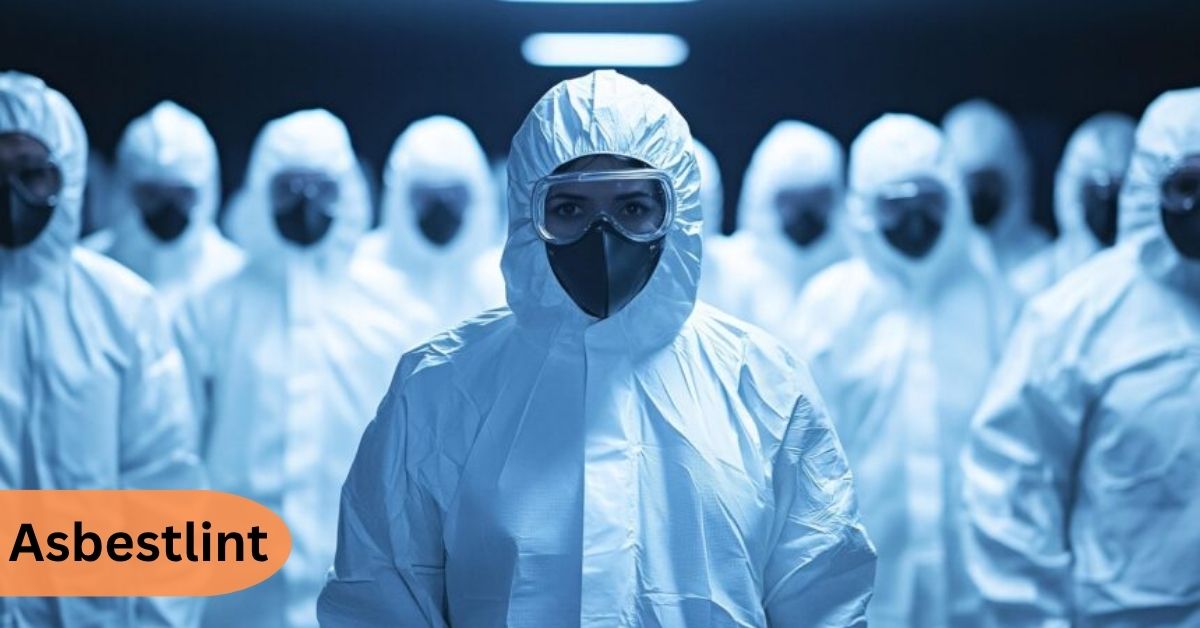
Asbestlint is a material that has silently shaped industries for decades, yet its hidden dangers make it one of the most misunderstood substances in homes and workplaces alike. Praised for its fire-resistant and insulating properties, it has been used widely in construction, insulation, and industrial applications but even brief exposure can lead to serious health risks. From older buildings to everyday household items, asbestos lint can go unnoticed, making awareness and safe handling absolutely essential.
Whether you’re a homeowner, contractor, renter, or safety-conscious professional, understanding what asbestlint is, where it’s found, and how to manage it safely can protect lives and prevent long-term consequences. In this comprehensive guide, we’ll explore its uses, hidden risks, legal regulations, modern alternatives, and practical safety steps helping you stay informed, prepared, and protected.
Detecting asbestlint requires professional testing. Always wear protective gear when handling asbestlint, and ensure its removal is performed by certified experts to minimize health risks and ensure safety.
What is Asbestlint? Understanding the Basics
Asbestlint, commonly known as asbestos tape, is a material that contains fine asbestos fibers. It has been widely used in construction and industrial applications due to its heat-resistant and fireproof properties. You’ll often find it in roofing, walls, and insulation materials.
However, Asbestlint comes with significant risks. Even small amounts of its fibers, if inhaled, can be harmful to health over time. This is why its use is now heavily regulated and monitored worldwide.
Knowing where Asbestlint is found and understanding its potential dangers is essential not only for industry professionals but also for homeowners and office spaces. Awareness and proper safety measures can significantly reduce the risks associated with exposure.
Health Risks and Dangers of Asbestlint
Asbestlint, which contains asbestos fibers, is highly dangerous when disturbed. Inhalation of these fibers can cause serious health issues like asbestosis, lung cancer, and mesothelioma. Prolonged exposure increases the risk of these diseases, making it crucial to handle asbestlint with care and follow proper safety protocols for removal. Strict regulations are in place to minimize exposure and protect public health.
Short-term and Long-term Health Effects
Short-term exposure to Asbestlint may cause minor irritation of the lungs, coughing, or chest tightness. Long-term exposure is far more dangerous, with serious health consequences including asbestosis, lung cancer, and mesothelioma, a rare but aggressive cancer affecting the lining of the lungs or abdomen. The risk increases significantly if safety protocols are ignored during removal or handling. Understanding these health risks is essential for both workers and homeowners dealing with older buildings.
Long-Term Health Effects and Risks
Even brief or minor exposure to Asbestlint can have lasting consequences. One of the most severe long-term effects is mesothelioma, a rare cancer that affects the lining of the lungs, chest, or abdomen. Other potential complications include chronic respiratory problems and organ-related issues. Because the symptoms often take decades to appear, proactive safety measures like proper handling and protective equipment are vital to reduce exposure.
Legal Regulations and Safety Guidelines
- Bans and Restrictions: Many countries have implemented strict bans or restrictions on the use of asbestlint, especially in new construction or manufacturing.
- Occupational Safety Standards: OSHA and other safety bodies require specific guidelines for working with asbestos, including the use of protective equipment and proper ventilation.
- Regulated Removal Procedures: Asbestos removal must be done by licensed professionals who follow regulated procedures to minimize exposure to dangerous fibers.
- Proper Disposal Laws: Laws mandate that asbestlint must be disposed of in certified hazardous waste facilities to prevent environmental contamination.
- Worker Training: Employers must provide training for workers handling asbestos, covering safety protocols, emergency response, and long-term health monitoring.
Detection, Handling, and Removal
Detecting asbestlint requires careful inspection and professional testing, as its fibers are microscopic and hazardous. Proper handling involves wearing protective gear and minimizing dust release. Safe removal should always be done by licensed experts to prevent exposure and contamination.
Safe Detection Methods for Asbestlint
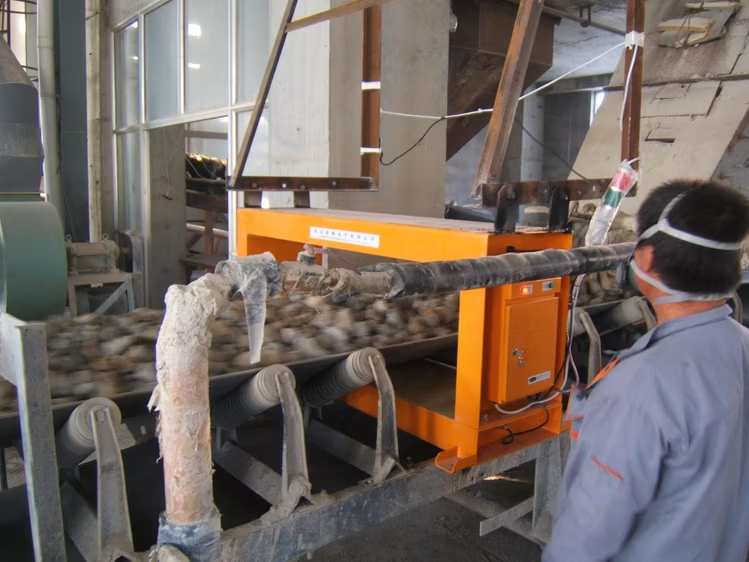
Detecting Asbestlint requires caution and the right tools. Common methods include visual inspection, air sampling, and laboratory testing of suspect materials. Never attempt to disturb or remove materials that may contain Asbestlint without proper safety measures, as this can release harmful fibers into the air.
Professionals often use protective clothing, respirators, and specialized equipment to safely identify Asbestlint while minimizing exposure risks. Awareness of the areas where Asbestlint is commonly found such as insulation, roofing, and fireproof tapes can help prevent accidental contact.
Proper Handling and Removal Procedures
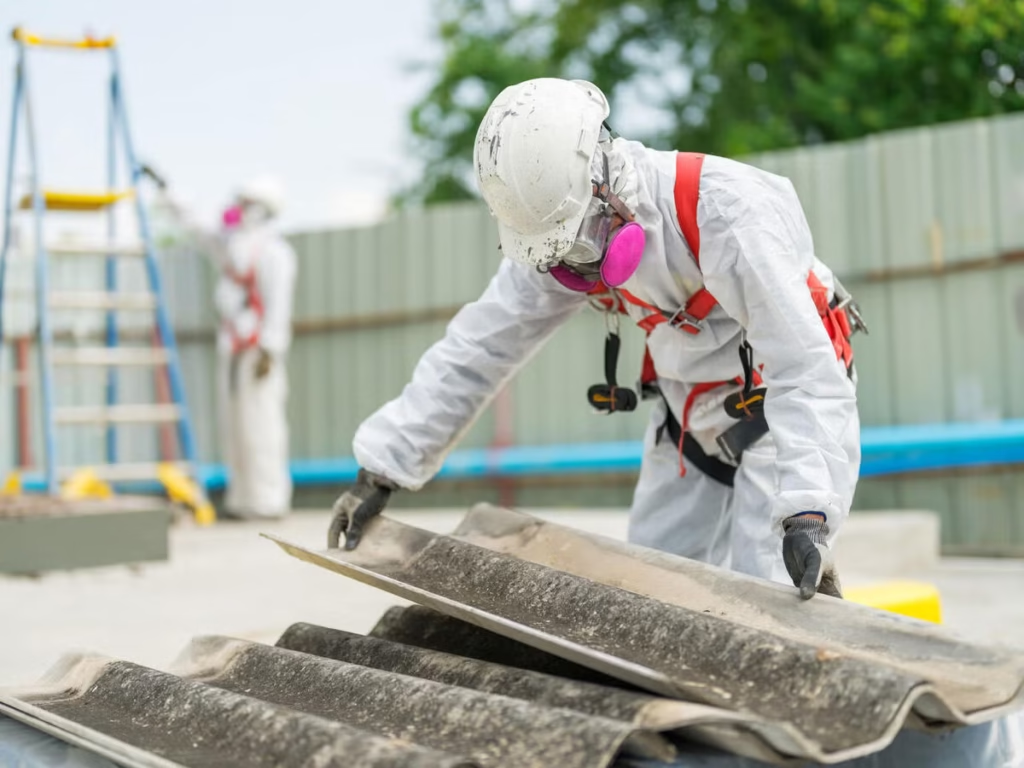
If Asbestlint needs to be handled or removed, strict safety protocols must be followed. Personal protective equipment (PPE), such as gloves, respirators, and disposable clothing, is essential. Wetting the material before removal helps prevent fibers from becoming airborne. It’s highly recommended to hire licensed asbestos removal professionals, as they are trained to contain, remove, and dispose of Asbestlint safely. Improper disposal can contaminate the environment and pose long-term health risks to others. By following proper handling procedures, you can significantly reduce the risk of exposure and maintain a safe environment.
Modern Solutions and Safe Alternatives
Safe Materials That Replace Asbestlint
Modern construction uses safer alternatives such as fiberglass, mineral wool, cellulose, and other non-toxic insulation materials. These provide the same heat resistance and insulation properties without the severe health risks of Asbestlint. Using these alternatives is now standard practice in new construction and renovations.
Industry Practices to Reduce Risk
Industries have adopted strict safety protocols, including protective gear, air filtration systems, and regular audits to minimize exposure. Training programs and safety certifications ensure that workers understand the risks and handle materials safely, preventing both short-term and long-term health issues.
Environmental Impact and Proper Disposal
Asbestlint poses significant environmental risks when not properly disposed of. When disturbed, asbestos fibers can contaminate air, soil, and water, leading to long-term environmental damage.
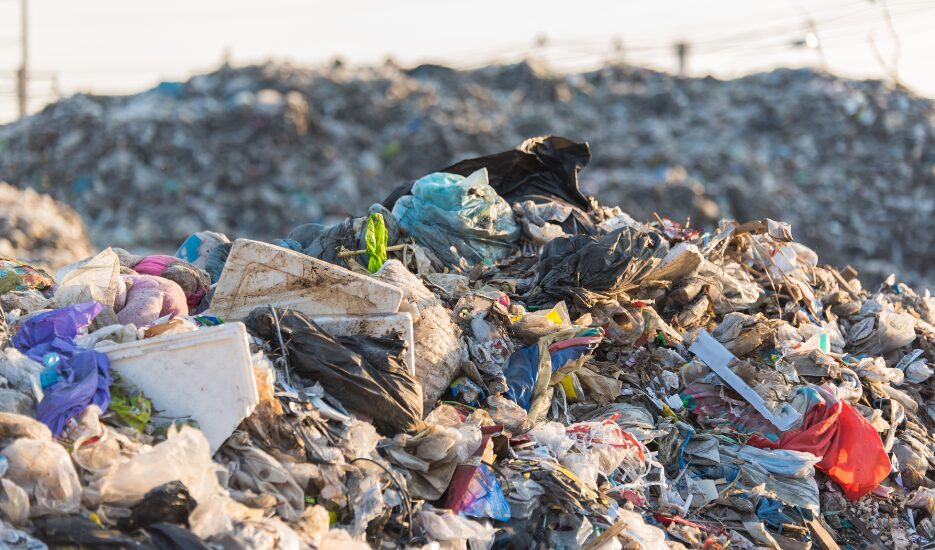
Safe disposal involves sealing asbestlint in specialized containers and adhering to strict regulations to prevent further contamination. Proper disposal not only protects ecosystems but also safeguards human health from asbestos-related diseases.
Effects on the Environment
Improper disposal of Asbestlint can contaminate soil, waterways, and wildlife. It is classified as a hazardous material because of its long-lasting fibers and potential to harm both humans and the environment. Awareness of its environmental impact encourages safer handling and disposal practices.
Guidelines for Safe Disposal
Always follow local hazardous waste regulations when disposing of Asbestlint. Many municipalities provide collection points or licensed services for proper disposal. Never throw Asbestlint in regular trash or burn it, as this releases dangerous fibers into the environment. Safe disposal protects both your community and the planet.
Preventing Future Exposure
Preventing future exposure to Asbestlint starts with awareness and proactive safety measures. Regular inspections of buildings, insulation, and industrial materials help identify potential risks before they become dangerous. Always ensure proper storage and avoid disturbing materials that may contain Asbestlint. Using personal protective equipment (PPE) when working near suspect areas significantly reduces inhalation risks.
Additionally, switching to asbestos-free alternatives in construction, insulation, and fireproofing not only ensures long-term safety but also aligns with modern regulations and environmental standards. By combining vigilance, safety practices, and modern materials, the risk of Asbestlint exposure can be minimized effectively.
Safe Handling and Storage of Asbestlint Materials
Proper handling and storage of asbestos lint is crucial to minimize future exposure. Always keep asbestos-containing materials sealed and intact, avoid breaking or cutting them, and clearly label storage areas. Use protective gear such as masks and gloves when necessary. Following these precautions significantly reduces airborne fibers and keeps both workers and household members safe.
Regular Inspections and Professional Risk Assessments
Routine inspections by certified professionals help identify potential asbestos lint hazards before they become dangerous. Professionals can test, monitor, and recommend safe removal or containment. Regular assessments ensure compliance with safety regulations and provide peace of mind that your home or workplace remains free from harmful asbestos exposure. Proactive monitoring is key to long-term health protection.
Future Outlook and Trends

- Phasing Out Asbestlint: Governments worldwide are moving towards stricter regulations, gradually phasing out asbestos in industries to prioritize public health.
- Innovative Alternatives: The development of safer, eco-friendly building materials that provide similar benefits to asbestlint, without the associated health risks.
- Increased Awareness: Growing public awareness and education on asbestos risks is leading to better safety protocols and demand for safer construction materials.
- Advancements in Removal Technology: Continuous improvement in asbestos removal methods ensures safer, more efficient handling, reducing exposure risks during renovations and demolitions.
- Stricter Regulations: The implementation of more stringent laws is making it harder for asbestos to be used in manufacturing and construction, promoting healthier living and working environments.
Frequently Asked Questions
1.What does asbestos do to humans?
Asbestos fibers, when inhaled, can cause serious lung diseases, including asbestosis, lung cancer, and mesothelioma. Prolonged exposure increases the risk significantly.
2. How do you know if you have asbestos?
Asbestos is often hidden in insulation, roofing, or floor tiles. Professional testing is required, as it cannot be identified by sight or touch.
3. Can you still buy products with asbestos?
Most countries have banned asbestos in consumer products. However, some older or imported items may still contain it, so caution and verification are essential.
4. What is the main cause of asbestos?
Asbestos-related diseases are primarily caused by inhaling airborne fibers released from deteriorating or disturbed asbestos-containing materials.
5. What homes usually have asbestos?
Homes built before the 1980s often contain asbestos in insulation, roof shingles, flooring, pipe coverings, and textured ceilings.
Conclusion
Asbestlint poses serious health and environmental risks, making awareness and proper handling essential. By understanding its dangers and following strict safety regulations, we can significantly reduce exposure risks. Embracing asbestos-free alternatives, promoting education, and encouraging regular inspections create safer homes and workplaces. Through collective awareness and responsible action, we can move toward a healthier, Asbestlint-free future for everyone.
Must Read