Bacone College Financial Collapse: A Detailed Examination
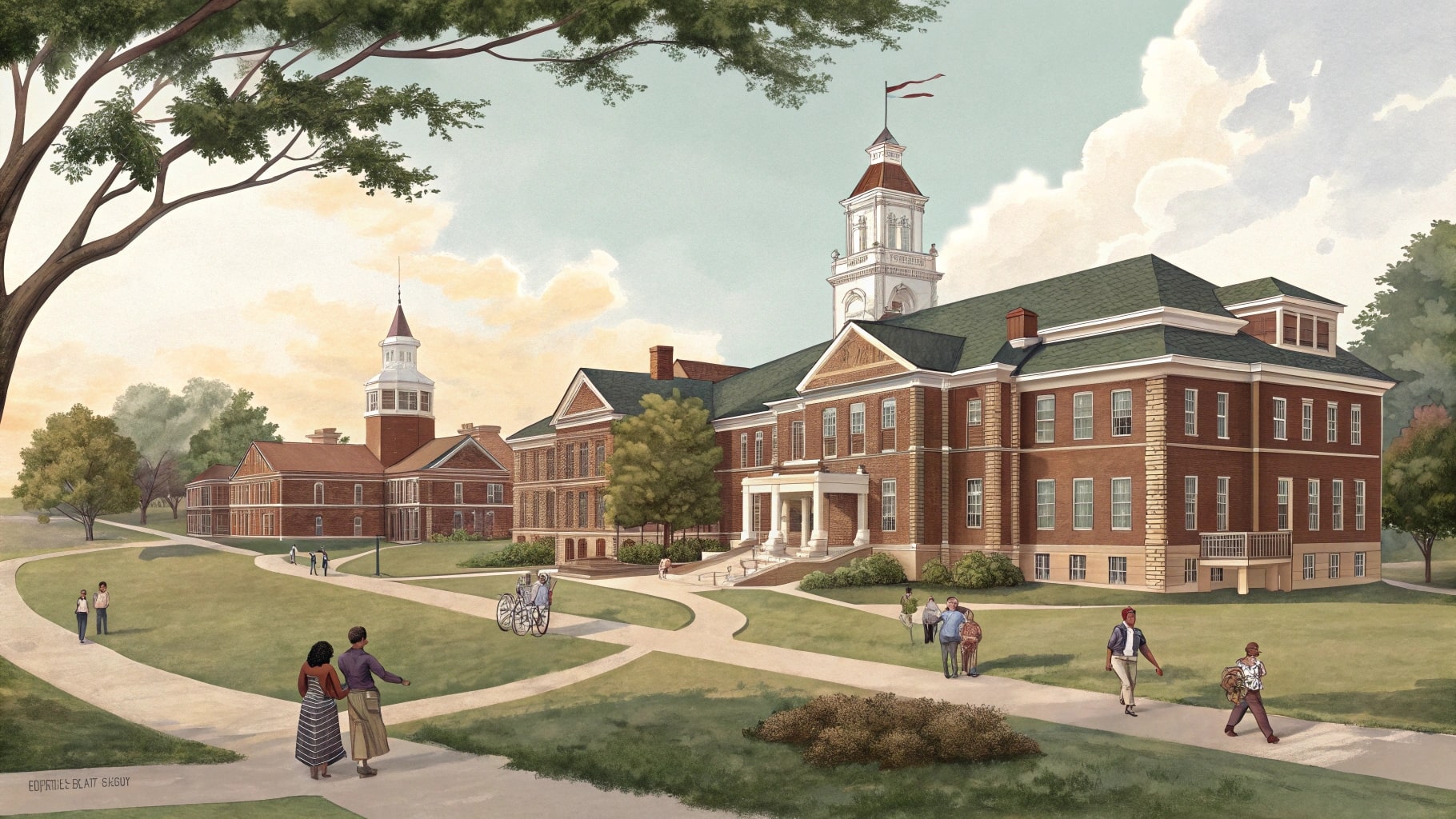
Bacone College, founded in 1880 in Muskogee, Oklahoma, was the oldest continuously operating institution in the state. Initially established to provide education to Native American students, it became widely recognized for its commitment to preserving Native American culture. Over the decades, Bacone College developed a strong reputation, particularly for its art programs, producing several notable Native American artists whose works gained national recognition. These programs emphasized both traditional and contemporary Native American art forms, helping to preserve cultural heritage while promoting creativity.
The college also served as a hub for Native American leadership and scholarship. Beyond academics, it fostered a sense of community and identity for generations of Native American students. Many students relied on Bacone College not only for academic knowledge but also as a cultural center where they could connect with their heritage, participate in tribal activities, and learn about their history. The institution symbolized hope and opportunity for families seeking higher education in a supportive environment tailored to their unique needs.
Beginning of the Financial Crisis
The financial troubles at Bacone College began gradually, reflecting years of financial mismanagement and funding challenges. Reports indicated that the administration faced accusations of misusing college funds for personal expenses, which significantly weakened the institution’s financial position. Poor budgeting practices, combined with a lack of oversight, created long-term sustainability issues that became more evident as operating costs increased.
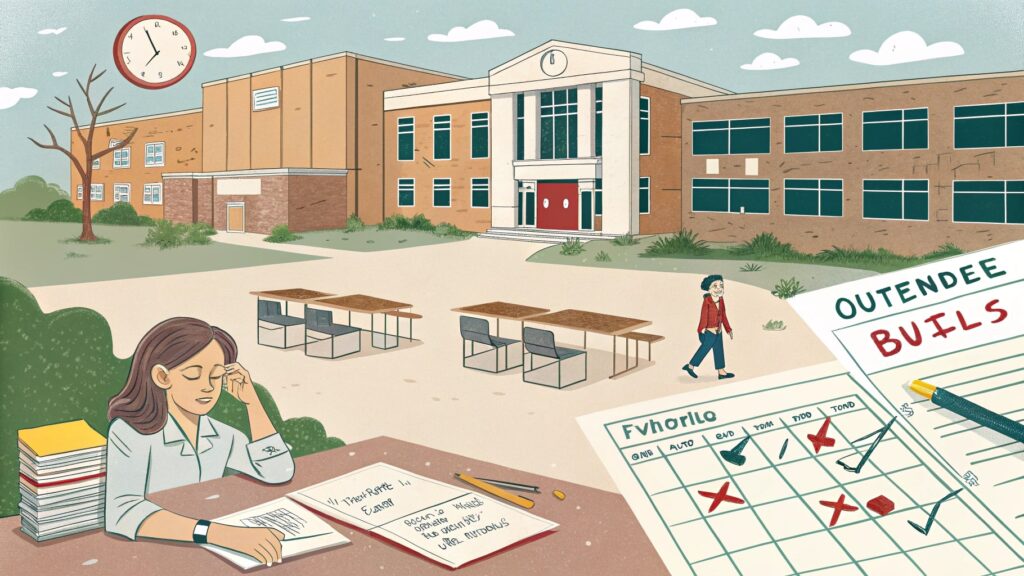
Another critical factor was the lack of consistent and sufficient funding. Bacone College attempted to secure financial assistance from tribal nations in 2018 to access federal support, but the Bureau of Indian Affairs did not approve the request. This denial left the college with a funding gap that hindered its ability to maintain facilities, support faculty, and expand academic programs. At the same time, enrollment numbers had not grown sufficiently to offset these financial pressures, further exacerbating the crisis. Without adequate financial support, the college faced mounting difficulties that threatened its operations and ultimately its survival.
Legal and Financial Challenges
The financial instability at Bacone College was further complicated by legal issues. The college faced multiple lawsuits from organizations such as Midgley-Huber Energy Concepts, which claimed unpaid bills totaling over a million dollars. These legal actions created additional financial pressure on the institution, as litigation costs and potential settlements consumed the already limited resources.
Efforts to resolve these debts included attempts to sell or auction off college assets. However, these measures were insufficient to cover the growing obligations. As creditors pursued legal claims, the college struggled to balance operational needs with debt repayment. The combination of mismanagement, legal challenges, and insufficient funding created a financial crisis that proved impossible to reverse, ultimately leading the institution toward bankruptcy.
Bankruptcy Process
In June 2024, Bacone College formally filed for bankruptcy. This filing marked a turning point, signaling that the institution could no longer meet its financial obligations. The bankruptcy process allowed the college to address debts under legal supervision, providing a framework to manage creditor claims and reorganize financial matters. However, it also meant that drastic changes were unavoidable, including the potential permanent closure of the college.
By 2025, a U.S. judge approved the liquidation of Bacone College’s assets. College property, including buildings, equipment, and other resources, was scheduled for sale to satisfy creditors. This decision effectively marked the end of a 145-year legacy that had served generations of Native American students. The closure not only eliminated educational opportunities but also disrupted a cultural institution that had been deeply intertwined with the identity and heritage of the community it served.
Community and Cultural Impact
The closure of Bacone College has had profound effects on the Native American community. For decades, the college provided an affordable and culturally supportive education to students who might otherwise have lacked access to higher education. With the closure, students were forced to seek alternative institutions, many of which did not offer the same focus on Native American culture, history, or art.
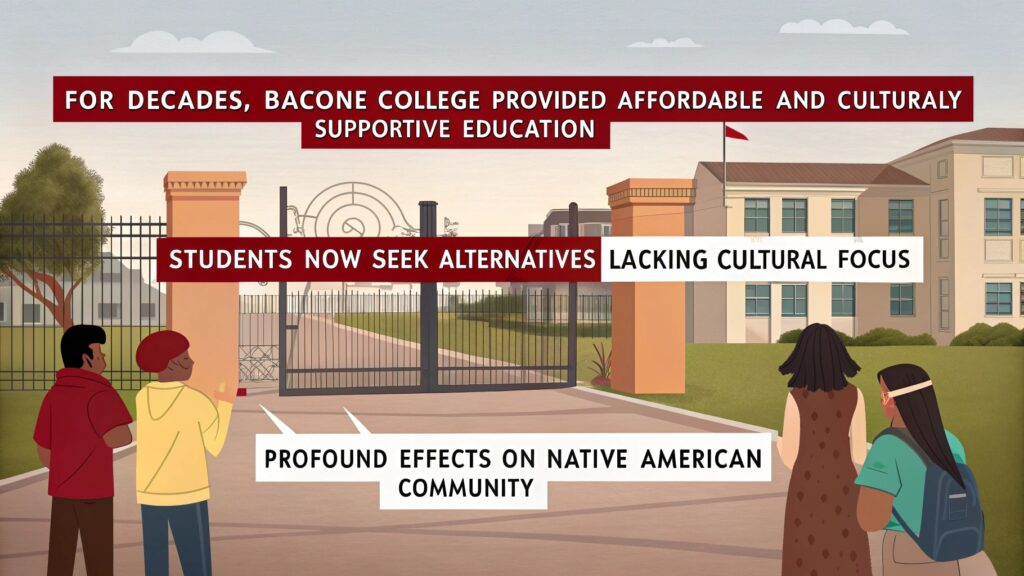
Beyond academics, Bacone College was a vital center for cultural preservation. Its art programs, historical collections, and community initiatives helped safeguard Native American traditions. The closure has led to a significant loss in opportunities for students to engage with their heritage in an academic setting. Cultural events, exhibitions, and traditional art workshops that were once hosted by the college have largely ceased, diminishing the community’s ability to pass on these traditions to future generations.
Lessons Learned and Future Strategies
Bacone College’s financial collapse provides key lessons for other small and minority-serving educational institutions. First, effective financial management and oversight are essential to prevent mismanagement and ensure long-term sustainability. Colleges must establish transparent accounting systems, implement regular audits, and maintain a clear separation between institutional and personal finances to preserve trust and stability.
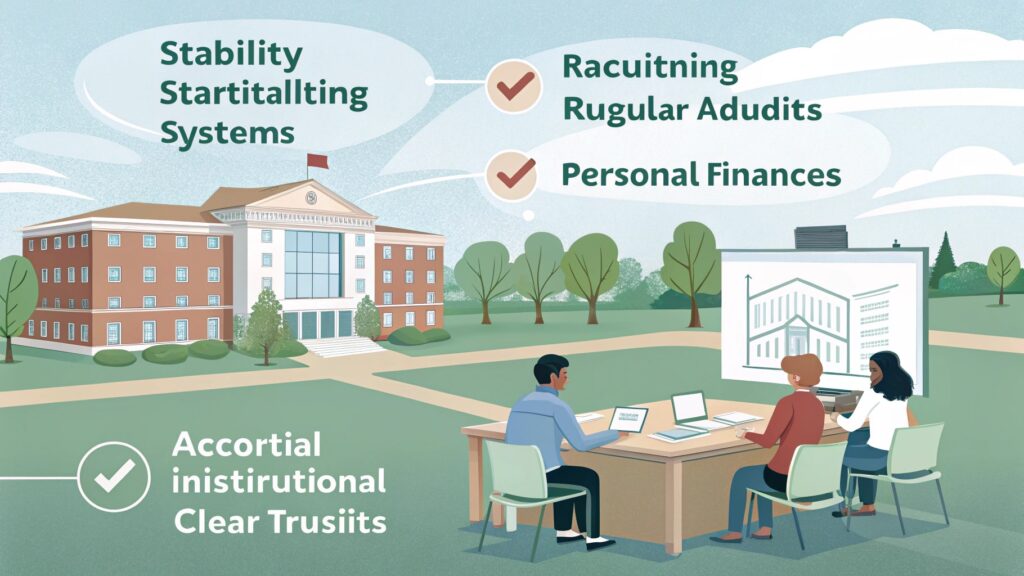
Second, diversification of funding sources is critical. Bacone College’s reliance on limited tribal and federal support exposed it to risk when funding was denied or delayed. Institutions must explore multiple revenue streams, including grants, private donations, partnerships with larger universities, and fundraising initiatives, to reduce vulnerability. Finally, advocacy for minority-serving institutions and stronger governmental support can help ensure that colleges serving historically underrepresented communities have access to the resources they need. Future strategies may include stronger partnerships with local communities, scholarship programs, and initiatives to increase student enrollment and retention.
Conclusion
Bacone College’s financial collapse serves as a cautionary tale for small, community-focused colleges. Despite its historical significance and contributions to Native American education and culture, mismanagement, legal challenges, and funding shortfalls ultimately led to its permanent closure.
The loss of Bacone College affects both education and cultural preservation. Students can pursue education elsewhere, but the unique environment and heritage-focused programs offered by Bacone College cannot be easily replaced. Its closure underscores the importance of financial vigilance, diversified funding, strong governance, and community engagement in maintaining the viability of educational institutions that serve minority populations.
FAQs
Why did Bacone College go bankrupt?
Bacone College went bankrupt due to a combination of financial mismanagement, legal challenges, and insufficient funding from tribal and federal sources.
When did the college close permanently?
The college filed for bankruptcy in June 2024, and by 2025, a court ordered the liquidation of its assets, marking its permanent closure.
How were Native American communities affected?
The closure disrupted educational opportunities for Native American students and led to a significant cultural loss, particularly in arts and heritage programs.
Is there a chance the college will reopen?
Currently, there is no indication that Bacone College will reopen, as its assets have been liquidated and the institution has permanently ceased operations.
Related Post: