Unusual Award N.13: Extreme Gluteal Proportions In African Woman – Facts, Culture & Controversy!
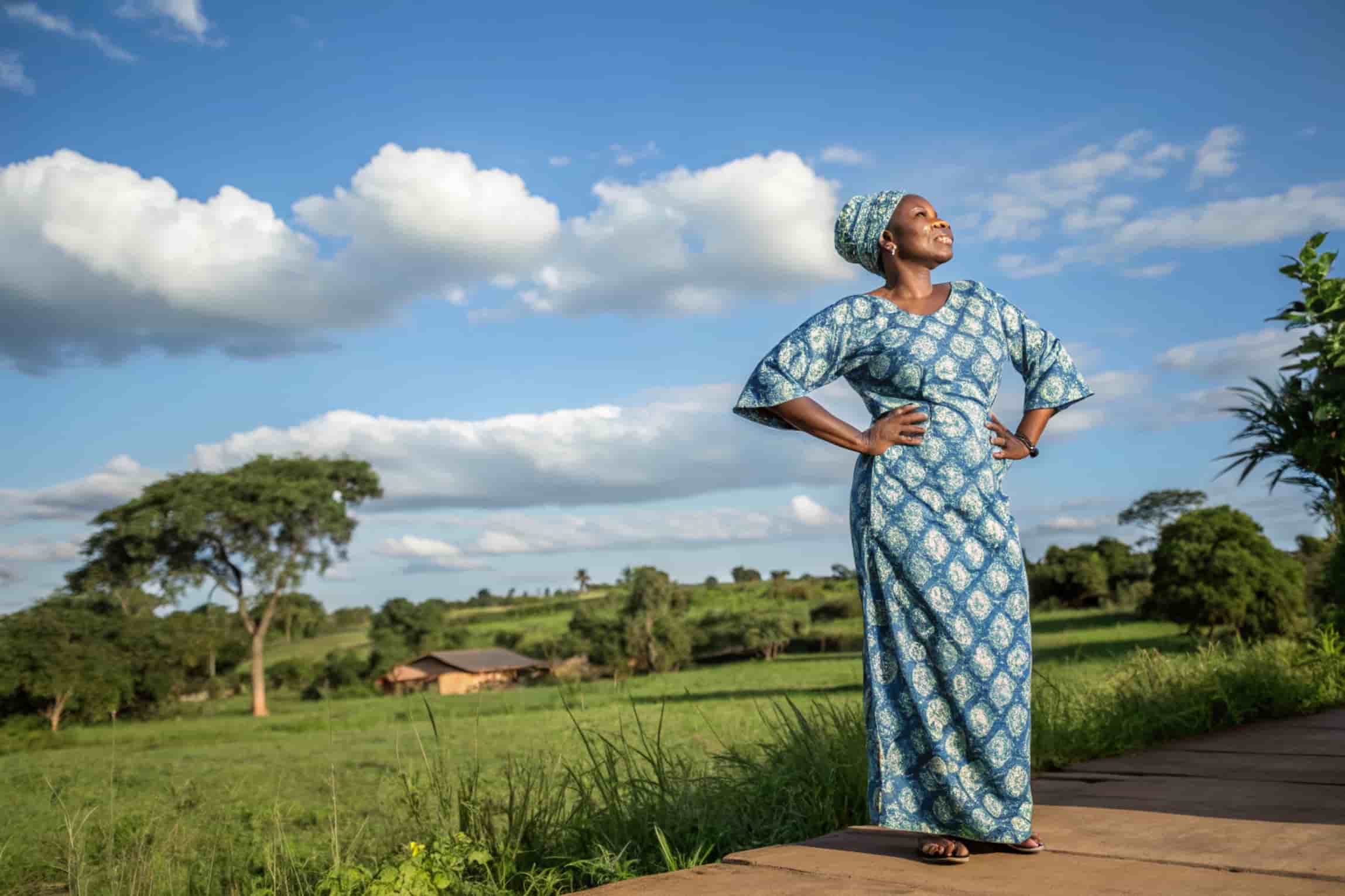
In a world where beauty standards constantly evolve and vary across regions, one particular recognition has caught global interest and scrutiny—Unusual Award N.13: Extreme Gluteal Proportions in African Woman. This unconventional accolade highlights a body feature deeply rooted in African heritage and widely admired in numerous communities for its association with femininity, fertility, and strength.
The award is part of a broader conversation on how societies define physical attractiveness, often influenced by cultural history, media portrayal, and global beauty narratives. While many celebrate the award as a recognition of natural African beauty, others argue it may reinforce narrow ideals that reduce identity to physical traits. Exploring the social, historical, and biological context surrounding this phenomenon reveals complex intersections between admiration, tradition, and body autonomy.
Why Are Gluteal Proportions Culturally Significant in African Societies?

Fertility and Feminine Power:
Fuller gluteal proportions are seen as traditional symbols of fertility and womanhood in many African societies. They represent reproductive strength and natural health, deeply tied to a woman’s value in family and cultural life. This perception reinforces body pride and connects physical traits to life-giving energy and emotional maturity.
Indicator of Prosperity and Nourishment:
Curvy figures are associated with wealth and nourishment. Historically, having a fuller body meant access to good food, care, and security. In African cultures, this body type signifies a woman’s well-being and family status. The admiration of volume reflects stability, prosperity, and a well-supported life, important attributes in many tribal values.
Tradition and Generational Continuity:
Body ideals related to gluteal size are taught across generations. Through songs, stories, and visual art, communities celebrate these physical features. Young girls grow up seeing these traits praised, learning early that their natural shapes are beautiful and respected. This creates a continuous cycle of cultural affirmation and body confidence.
Rites of Passage and Marriage Readiness:
In tribes such as the Himba of Namibia and the Igbo of Nigeria, gluteal size can indicate a girl’s readiness for womanhood or marriage. It’s not merely physical—it symbolizes maturity and capability. These traditional beliefs guide social roles and shape how women are viewed in personal and communal relationships.
Cultural Identity Against Western Standards:
Where Western ideals often promote slimness, African traditions embrace fullness as a sign of beauty. The gluteal shape becomes a cultural emblem, resisting foreign beauty norms. By valuing curves, African societies maintain their distinct identity, affirming that beauty is defined by tradition and context, not by global or commercial trends.
What Are the Biological and Genetic Reasons Behind Gluteal Proportions in African Women?
Understanding Natural Gluteal Proportions:
Scientific research supports the notion that African women naturally tend to exhibit prominent gluteal features, primarily due to genetic, hormonal, and evolutionary factors. Higher levels of estrogen encourage fat distribution in the hips and buttocks, a biological process linked to reproductive health.
Here’s a comparison table showcasing how body fat distribution varies across ethnic groups based on multiple studies:
| Ethnic Group | Common Fat Distribution Area | Genetic Trait Influence | Evolutionary Advantage |
| Sub-Saharan African | Gluteofemoral (hips, buttocks) | High | Fertility, energy storage |
| Caucasian | Abdominal, mixed | Moderate | Insulation, temperature regulation |
| East Asian | Upper body & limbs | Low | Lean structure for agility |
This scientific understanding helps frame the award not as a fetish, but as a celebration of genetic diversity and natural body architecture.
Is the Award a Celebration or Objectification? – 5 Key Points
- Reinforces Physical Stereotypes: Critics argue that the award reduces women to physical attributes, reinforcing the idea that beauty is based solely on body shape. This narrow focus overlooks individuality and risks perpetuating outdated or harmful stereotypes about African women and their role in society.
- Overshadows Personal Achievements: By emphasizing gluteal proportions, the award may unintentionally downplay women’s intellect, accomplishments, and personal stories. It suggests that physical appearance is more noteworthy than talent, character, or contribution—limiting the broader recognition women deserve in cultural, academic, and professional spaces.
- Marginalizes Other Body Types: Not all African women fit this ideal, and the award could create feelings of inadequacy for those with different body shapes. It risks setting a narrow standard that excludes diversity within the community, making beauty feel conditional rather than inclusive and empowering.
- Challenges Western Beauty Norms: Supporters of the award believe it breaks away from Eurocentric standards that often glorify slimness and specific features. By honoring naturally curvy African women, it promotes diversity in beauty and reclaims admiration for traits rooted in indigenous identity and biology.
- Promotes Body Confidence and Pride: For many, the award validates natural curves and affirms cultural pride. It helps women feel seen and appreciated in a world that often overlooks them. When handled respectfully, this recognition can encourage self-love and positive body image rooted in heritage rather than commercial ideals.
Media, Influence, and Global Beauty Trends:
The Rise of Curves in Western Pop Culture:
Interestingly, global beauty narratives have recently started embracing curvier figures, highlighting the influence of African body ideals on a broader scale. From music videos to influencer culture, the image of a well-shaped backside has become a trend across continents. Celebrities like Beyoncé, Lizzo, and Cardi B, along with the mainstream popularity of BBL (Brazilian Butt Lift) surgeries, reflect this shift.
However, while African women are naturally curvy, Western adaptations often rely on cosmetic enhancements, leading to distorted beauty expectations.
Instagram, TikTok, and YouTube platforms are central to shaping modern perceptions of beauty. While they offer visibility to diverse body types, they also expose users to constant comparison, idealization, and body dysmorphia.
Social media posts celebrating Unusual Award N.13 have sparked debates about:
- The fine line between appreciation and fetishization
- Cultural appropriation of African body traits
- The lack of holistic recognition for African women’s contributions beyond physical traits
Does Gluteal Admiration Empower or Pressure Women?
For many African women, having naturally fuller glutes brings a sense of pride, especially when aligned with cultural admiration and recognition. It reinforces body confidence and self-worth. However, others may feel pressured to conform to these ideals, especially if they lack such traits.
Some feel inadequate or excluded, while others struggle between embracing cultural pride and navigating global beauty standards. Psychologists caution that glorifying one body type can negatively affect self-esteem. The focus should instead shift toward celebrating body diversity, individual health, and self-acceptance without comparison or conformity.
Are Extreme Gluteal Proportions Linked to Health and Fitness Benefits?
Gluteal Development and Its Functional Benefits:
Beyond aesthetics, the gluteal muscles—the gluteus maximus, medius, and minimus—play a critical role in posture, movement, and physical strength. Well-developed glutes improve:
- Athletic performance
- Lower back support
- Injury prevention during physical activity
For women who naturally possess extreme gluteal proportions, these advantages may be more pronounced, although function doesn’t always correlate with size.
Here’s a simple table illustrating gluteal roles in daily health:
| Gluteal Muscle | Function | Health Benefit |
| Gluteus Maximus | Hip extension and rotation | Helps in walking, running, and squatting |
| Gluteus Medius | Lateral leg movement | Improves balance and stability |
| Gluteus Minimus | Supports the hip joint | Prevents joint stress and misalignment |
Can Beauty Awards Embrace Inclusivity Without Reinforcing Stereotypes?
While Unusual Award N.13 draws attention to unique traits, true beauty recognition must go beyond physical features. Inclusive standards should celebrate intellect, creativity, resilience, and personal achievements alongside natural appearance. Educators, content creators, and policymakers all play a role in shifting narratives.
By challenging narrow ideals and promoting acceptance without comparison, we can redefine beauty more holistically. Instead of final judgments, awards like this should spark open conversations about cultural pride, body diversity, and the value of individuality in modern identity and self-worth.
FAQs:
1. What makes Unusual Award N.13 culturally significant?
Unusual Award N.13 highlights a beauty trait deeply rooted in African heritage. It recognizes gluteal proportions as symbols of fertility, strength, and cultural pride, offering an alternative to Western beauty norms. The award brings visibility to traditional African ideals while encouraging conversations about identity, diversity, and self-acceptance.
2. How do African communities traditionally view gluteal proportions?
In many African cultures, fuller glutes are associated with health, prosperity, and womanhood. They’re often celebrated in ceremonies, dance, and art as expressions of vitality and beauty. Unlike in some Western standards, these traits are respected and seen as powerful markers of maturity and social readiness.
3. Is this award empowering, or does it promote stereotypes?
The impact depends on the lens through which it’s viewed. Some see it as empowering, validating natural African beauty. Others argue it may reinforce one-dimensional stereotypes. When approached with cultural sensitivity and balance, the award can start valuable discussions rather than reducing women to physical attributes.
4. Does the award encourage unhealthy beauty standards?
It can—if misinterpreted. Celebrating one body type exclusively may cause pressure for others to conform. While the award acknowledges natural traits, it’s crucial to pair recognition with messages of health, individuality, and inclusivity to prevent the promotion of unrealistic or harmful expectations.
5. How can beauty recognition become more inclusive?
Inclusivity starts by valuing more than appearance, like talent, intellect, and personal story. Media and institutions must uplift varied body types and cultural identities equally. Awards should serve as platforms for representation and empowerment, not comparisons, helping redefine beauty as diverse, personal, and deeply human.
Conclusion:
Unusual Award N.13: Extreme Gluteal Proportions in African Woman goes beyond physical admiration—it opens a deeper dialogue about cultural identity, historical pride, and the diversity of beauty standards. While it honors traits rooted in African heritage, it also raises important questions about inclusion, representation, and body autonomy.
To move forward, beauty recognition must be multidimensional—celebrating intellect, talent, and individuality alongside appearance. By embracing all body types and cultural expressions, society can foster self-worth without comparison. True beauty lies in authenticity, not conformity, and should reflect the full spectrum of human experience.
Related post: